






How to Be a Defensive Rider on Irish Roads – Complete Safety Guide 2025

How to Be a Defensive Rider on Irish Roads - Complete Safety Guide 2025

Defensive Rider

Irish roads are challenging for motorcyclists. The narrow lanes, unpredictable weather, and mixed traffic create unique hazards. You’ll encounter everything from farm tractors to tourists, often on roads barely wide enough for two cars. 

Weather changes quickly, turning dry tarmac into a slippery nightmare within minutes. Potholes appear overnight, and road surfaces vary dramatically from mile to mile. Defensive riding on these roads isn’t optional, it’s essential for survival. 

The key is developing the right mindset: assume the worst, prepare for anything, and always have an escape plan. This approach will keep you safe while still allowing you to enjoy some of the world’s most scenic riding routes.
Core Principles of Defensive Riding - Motorcycle lessons

Defensive Rider

Three principles form the foundation of defensive riding. First, assume you’re invisible. Many drivers simply don’t see motorcycles, especially on familiar routes. 

Position yourself where you’ll be noticed, use your lights effectively, and never assume someone has seen you just because you can see them. Second, maintain your safety bubble. This is your protective space around the bike that gives you time and room to react.

Keep adequate following distances and create space beside you when possible. Your bubble should expand with speed and contract only when absolutely necessary. 

Third, expect the unexpected. That blind corner might hide a stopped vehicle, farm animals, or a cyclist. By expecting problems, you’ll be mentally prepared to handle them when they occur.

Ireland Road & Surface Awareness

Ireland Road

Irish road surfaces change constantly and without warning. Potholes are common, especially after winter weather cycles. They vary from minor annoyances to wheel-swallowing craters. Avoid them when safe to do so, or slow significantly before riding over them. 

Gravel accumulates at corners and appears after road maintenance, creating treacherous conditions that can cause slides. 

Agricultural debris is a fact of life on rural roads. Tractors deposit mud, slurry, and organic matter that can persist for days, becoming extremely slippery when wet. Diesel spills from trucks and farm equipment create invisible hazards that can cause sudden loss of traction. 

Watch for manhole covers, painted lines, and metal road fixtures that become ice-like when wet. 

Learn to read the road ahead by looking through gaps in hedges, checking reflections in windows, and watching for movement in trees or power lines that might indicate oncoming traffic around blind bends.

Managing Traffic & Other Road Users

Ireland traffic

Effective traffic management starts with strategic positioning. Place yourself where you’re most visible while maintaining escape routes. At junctions, approach cautiously with covered brakes and reduced speed. 

Make eye contact with drivers when possible, but watch their wheels rather than their indicators. Wheels reveal true intentions. Roundabouts require clear signaling and decisive positioning. 

Be particularly cautious of vehicles already on the roundabout and those changing lanes unexpectedly. Give buses and commercial vehicles extra space due to their large blind spots and extended stopping distances.

Never overtake a bus at a stop where passengers might enter the roadway. When following agricultural machinery, exercise patience. Farm vehicles have legitimate road access and rushing them benefits no one. 

Position yourself for maximum visibility while waiting for safe overtaking opportunities.

Speed & Spacing

Ireland motorcycle

The fundamental speed rule is simple: never ride faster than you can stop within your visible distance. On Ireland’s twisty mountain roads and narrow lanes, this often means speeds that feel frustratingly slow. However, this speed discipline prevents accidents. 

Remember that stopping distance includes reaction time plus actual braking distance. Wet conditions, common in Ireland, can double braking distances. Maintain minimum two-second following gaps in urban areas, extending to four seconds in poor conditions. 

On open roads, increase this to three seconds minimum, more in reduced visibility or questionable road conditions. Use the counting method: when the vehicle ahead passes a fixed point, you should reach that same point no sooner than your chosen time interval later.

Ireland Weather & Environment

ireland weather

Irish weather changes rapidly, each condition bringing specific challenges. Rain transforms road surfaces dramatically. Painted markings become extremely slippery, manholes turn into skating rinks, and accumulated oil makes lane centers treacherous. 

Adapt by smoothing all control inputs, gentle throttle application, progressive braking, and steady cornering lines. Fog requires immediate speed reduction and proper lighting technique. Use dipped headlights rather than main beam, which reflects back and reduces visibility. 

Consider stopping safely until conditions improve. Wind affects exposed roads and bridges significantly. Anticipate gusts when passing gaps in vegetation, crossing bridges, or overtaking large vehicles. 

Lean into steady crosswinds but prepare for sudden directional changes. Visibility gear is crucial. Bright colors, reflective materials, and proper lighting dramatically improve your conspicuity to other road users.

Czech out Mistakes New Irish Riders Make (and How to Dodge Them)

Communication & Visibility

motorcycle communication

Clear communication with other road users is vital. Make eye contact when possible – direct visual contact makes it much harder for drivers to claim they didn’t see you. Signal intentions early and clearly, but don’t rely solely on indicators. 

Your road position should also communicate your plans. Avoid habitual lane center riding. Move within your lane to maximize visibility and create escape routes. Sometimes this means riding closer to the centerline, other times favoring the left side.

Use your headlight continuously – it’s legally required and significantly improves visibility. Consider LED upgrades for better illumination. Reserve hazard lights for genuinely hazardous conditions, not merely wet weather.

Escape Planning

Escape Planning

Every riding situation requires a planned escape route. At traffic lights, position yourself to filter forward or move to safety if threatened from behind. Never position yourself as a sitting target in the center of your lane directly behind a vehicle. 

On open roads, continuously identify where you could swerve, emergency brake, or take evasive action. Avoid situations where you have no options. If you cannot identify an escape route, reconsider your position or speed. 

At junctions, stop where you maintain visibility and options, with space to maneuver if necessary.

Special Considerations - Road safe

Ireland tourist spot

Irish villages present unique hazards. Children, elderly pedestrians, cyclists, and occasional livestock can appear suddenly. Reduce speed significantly through populated areas and remain extra vigilant near schools, public houses, and churches where pedestrian activity peaks. 

Horses require special caution, pass slowly and widely as they can be unpredictable. Motorways and national roads bring different challenges. Higher speeds amplify consequences and require larger safety margins. 

Maintain extended following distances, watch for sudden lane changes, and be aware of wind effects from large vehicles. 

Tourist areas during peak season demand extra patience. Visiting drivers may travel slowly, stop unexpectedly for photographs, or be unfamiliar with local traffic patterns. Popular scenic routes require additional defensive measures.

See Motorcycle Events in Ireland You Don’t Wanna Miss This Summer

Continuous Learning - Irish driving test

Irish driving test

Motorcycle skills require constant development. Advanced training organizations like RoSPA and IAM offer excellent programs focusing on observation, planning, and smooth riding techniques specifically valuable for Irish road conditions. 

Professional instruction can identify and correct habits that develop over time. Consider refresher training every few years, particularly after riding breaks or when honest self-assessment reveals declining skills.

Regular practice maintains proficiency. Use quiet areas to practice emergency braking, slow-speed maneuvers, and observation techniques. Every ride provides opportunities to improve defensive riding skills.

Conclusion

Defensive riding on Irish roads requires skill, awareness, and the right attitude. The narrow lanes, changeable weather, and diverse traffic present ongoing challenges, but these same roads offer some of the world’s most rewarding motorcycling experiences. 

Success depends on seeing everything, trusting nothing, and maintaining smooth control. Your safety relies on your own preparation and skill, not the actions of other road users. Every journey offers chances to practice these principles and improve your defensive riding abilities.

With proper technique, appropriate training, and defensive mindset, Irish roads can be navigated safely and enjoyably. The goal is always the same: arrive safely at your destination with stories to tell, not become someone else’s cautionary tale. See everything, trust nothing, ride smooth.

Help fellow motorcyclists make the right choices. Share your opinions and experiences on various topics through our forum.

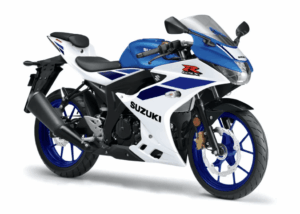
Suzuki GSX R125

Suzuki GSX R125

The Suzuki GSX-R125 is a lightweight, fully-faired sportbike offering nimble handling, aerodynamic styling, and a high power-to-weight ratio.
Read More »
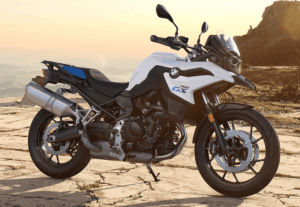
BMW gs 800

BMW F 800 GS – 2025

Powered by a parallel-twin engine producing 87 hp, it features modern electronics, TFT connectivity, and optional navigation prep—offering the perfect balance between performance and comfort.
Read More »

Some More Cool Projects

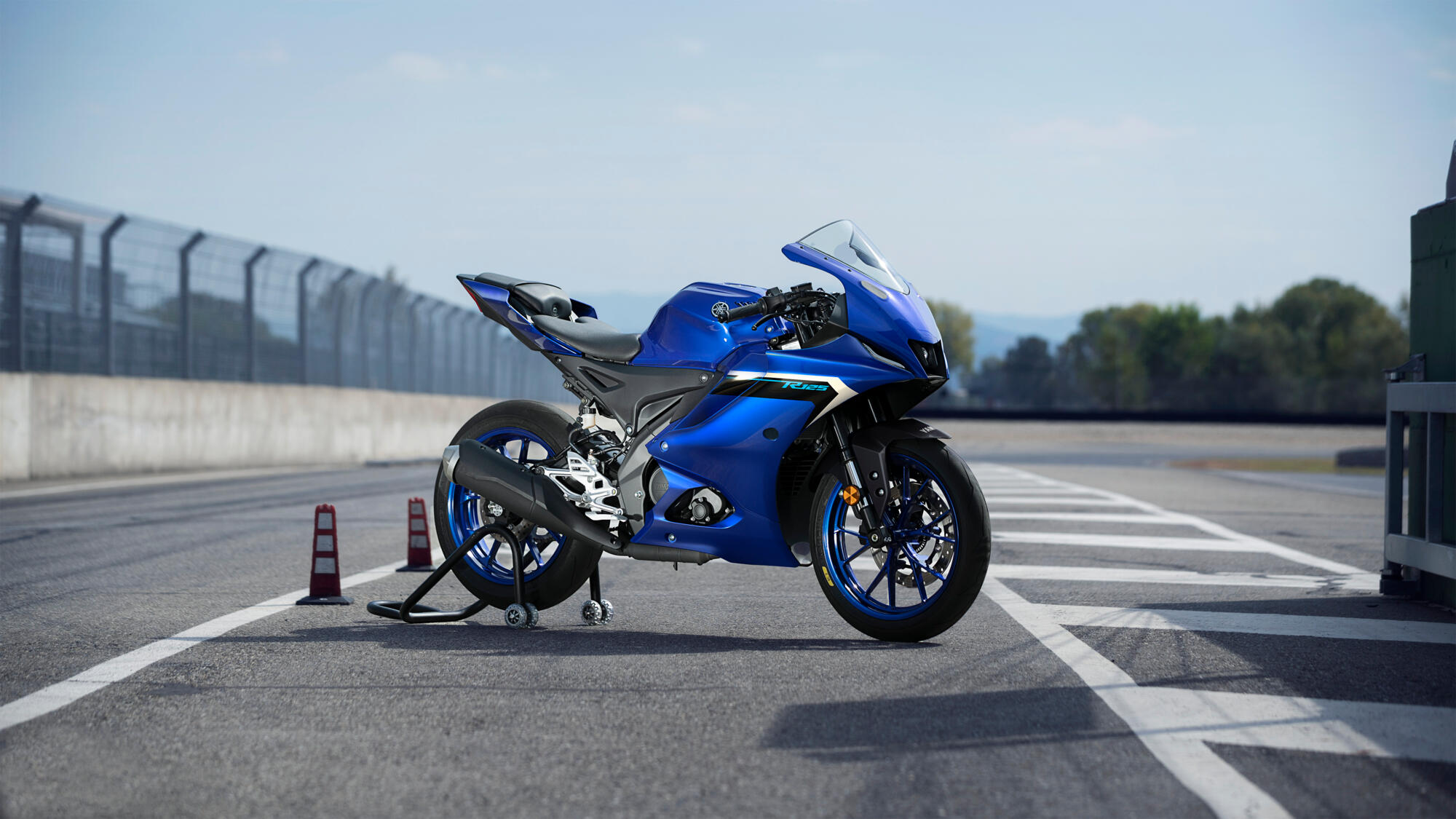
Yamaha YZF-R125

Yamaha YZF-R125 (2026)

The Yamaha YZF-R125 (2026) is Yamaha’s most advanced A1-licence supersport motorcycle, inspired directly by the R-series DNA of the R7 and R1.

Sign In

Register

Reset Password

Please enter your username or email address, you will receive a link to create a new password via email.

MeditateOn2Wheels
Privacy Overview

This website uses cookies so that we can provide you with the best user experience possible. Cookie information is stored in your browser and performs functions such as recognising you when you return to our website and helping our team to understand which sections of the website you find most interesting and useful.