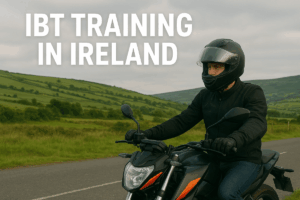
IBT Training: The First Step to Get a Drivers licence in Ireland
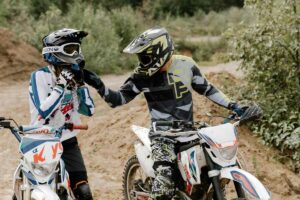
There’s something magical about riding a motorcycle in Ireland. The open roads, the wild wind, that small moment when your heart beats faster as the engine comes alive — it’s the kind of freedom you can’t describe, only feel.
But before you hit the tarmac, there’s one thing standing between you and that first real ride: IBT training. It’s not red tape—it’s your safety net. And trust me, you’ll be glad you did it properly.
This guide cuts through the confusion and tells you exactly what you need to know. No fluff, no jargon. Just the essentials to get you riding safely and confidently.
What is IBT?
Initial Basic Training (IBT) is mandatory motorcycle training in Ireland. Think of it as your riding foundation—16 hours that could save your life.
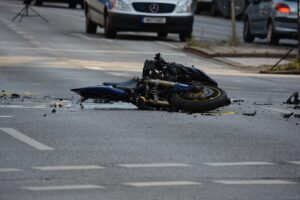
The Road Safety Authority introduced IBT for one reason: too many riders were getting hurt because they didn’t know what they were doing. The numbers don’t lie—proper training dramatically reduces accidents.
Here’s the deal: four modules, 16 hours total. You’ll go from “how do I start this thing?” to confidently handling real traffic. It’s not a test you pass or fail. It’s skills you build, one hour at a time.
Complete all four modules, get your certificate, and you’re legal to ride with your learner permit.
Who Needs IBT in Ireland?
If you’re holding a motorcycle learner permit and planning to ride on public roads, you need IBT. End of story.
You need it if:
- You’re 16+ with an AM permit (mopeds up to 50cc)
- You’re 16+ with an A1 permit (bikes up to 125cc)
- You’re 18+ with an A2 permit (bikes up to 35kW)
- You’re 24+ with a full A permit (any bike)
The rule is clear: No IBT certificate = no riding on public roads. You can practice in a field or car park, but the moment you hit a public road without IBT, you’re breaking the law.
Rare exceptions: You already have a full EU motorcycle license, or you’re Garda/Defence Forces doing official training.
For more, read Motorcycle License Categories Ireland/EU Explained
IBT Course Modules Explained - Driving Test
Module 1 – Controls & Basic Skills (4 hours)
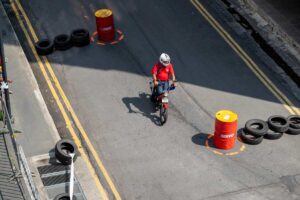
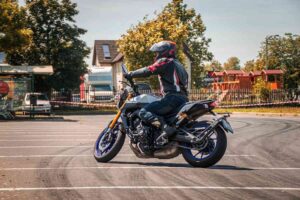
You start in a safe, controlled space—usually a car park or training yard. No traffic, no pressure.
What you’ll learn: Your instructor teaches you the basics: throttle, clutch, brakes. How to start moving without stalling. How to stop without panicking. Slow turns, emergency stops, finding your balance.
It feels awkward at first. Everyone drops the bike in their head a hundred times. But by the end, you’ll actually feel like a rider.
Module 2 – On-site Practical Training (4 hours)
Still off-road, but now you’re building real skills. More speed, tighter turns, better control.
What you’ll learn: U-turns. Emergency swerving. Cornering properly. Understanding how your bike responds when you push it a bit. You’ll also learn the POWDER check—your pre-ride safety ritual.
This is where it clicks. Where you stop thinking about every single movement and start riding.
Module 3 – On-road Instruction (4 hours)
Time to face the real world. Actual traffic. Real junctions. Real consequences.
What you’ll learn: Everything changes on public roads. You’re dealing with cars, pedestrians, road signs, roundabouts. Your instructor guides you through it all—usually riding alongside or following in a vehicle with radio contact.
It’s intimidating at first. That’s normal. But your instructor won’t throw you into chaos. You’ll start quiet and build up gradually.
This module is where you learn that riding isn’t just about controlling the bike—it’s about reading everything around you.
Module 4 – On-road Independent Riding (4 hours)
The final test of your skills. You’re still supervised, but now you’re making your own decisions.
What you’ll learn: Your instructor gives you less hand-holding. You navigate. You choose your lines. You anticipate hazards before they happen.
By the end, you should feel ready—not perfect, but ready—to ride alone with your learner permit. Ready to keep learning on your own.
IBT Training Prices in Ireland
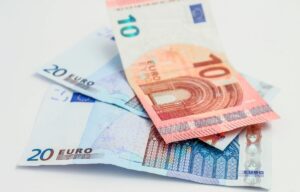
Let’s talk money. IBT isn’t cheap, but it’s cheaper than hospital bills.
Typical costs:
- Module 1: €100-€150
- Module 2: €100-€150
- Module 3: €130-€180
- Module 4: €130-€180
Total: €460-€660
Most schools offer package deals if you book all four together—you might save €50-€100. Always ask.
What else you’ll pay:
- Learner permit: €35
- Gear rental (if needed): €10-€20 per module
- Your own gear if you buy it: €300-€800 for decent kit
Money-saving tip: Book the full package upfront. Bring your own gear if you have it. Check for weekday discounts.
But here’s the truth: don’t cheap out on training quality. The best instructor is worth every extra euro.
How to Choose a Reliable IBT Training School
Not all instructors are created equal. Some will change your life. Others will just tick boxes.
What to look for:
RSA approval – Non-negotiable. Verify it on the RSA website. No approval? Walk away.
Experience that shows – Read reviews. Ask around. Good instructors have students who rave about them. Bad instructors have crickets.
Proper equipment – Well-maintained bikes. Quality safety gear. Adequate training space. If their stuff looks sketchy, their training probably is too.
Patience and communication – You need an instructor who actually cares about your progress, not just your payment. Someone who’ll spend extra time if you need it.
Clear pricing – Everything upfront, in writing. Hidden fees are a red flag.
Red flags to avoid:
- Instructors who rush you through
- Loads of negative safety reviews
- Bikes that look like they’ve seen better decades
- Anyone who makes you feel stupid for asking questions
Take your time choosing. Call multiple schools. Ask questions. Trust your gut.
Documents & Gear Required for IBT and Driving Licence Apply
Documents you need:
- Valid learner permit (obvious, but people forget)
- Photo ID
- Previous module certificates (for Modules 2, 3, 4)
Safety gear you need:
Helmet – Full-face is best. Must meet ECE standards. No cracks, no damage. It should fit snug but comfortable.
Gloves – Motorcycle gloves. Not gardening gloves. Not winter gloves. Proper motorcycle gloves with protection.
Jacket – Motorcycle jacket with armor. Leather or textile. Must cover everything.
Boots – Ankle protection minimum. No trainers. No sandals. Sturdy boots that cover your ankles.
Trousers – Motorcycle pants with armor, or thick jeans at absolute minimum. No shorts. No leggings.
Many schools rent gear for €10-€20 per session. But if you’re serious about riding, invest in your own. Properly fitted gear could save your skin—literally.
Don’t forget: Dress for the slide, not the ride. Every single time.
After IBT - Book Drivers Test
You’ve got your certificate. Now what?
You can ride on public roads – With your learner permit and L-plates displayed. But there are rules:
- No passengers
- No motorways
- No alcohol (zero tolerance)
- Display L-plates front and rear
You need experience – IBT taught you the basics. Real skill comes from riding. Lots of riding. In different conditions. Different roads. Different weather.
Minimum waiting periods before your test:
- 6 months for all categories
Use that time wisely. Practice deliberately. Every ride should teach you something.
Then comes the driving test – Book it through the RSA when you’re ready. It costs about €85. Pass it, and you’re a fully licensed rider.
Keep learning – IBT is just the beginning. Consider advanced courses. Join riding groups. Never stop improving.
The certificate is your license to learn. The real education happens on the road.
Next Step, 5-Step Process to Getting Your Irish/EU Motorcycle License in Ireland
Best Motorcycle Options After IBT (Quick Suggestions)
For A1 (125cc) riders:
- Honda CB125R – Reliable, sporty, perfect for learning
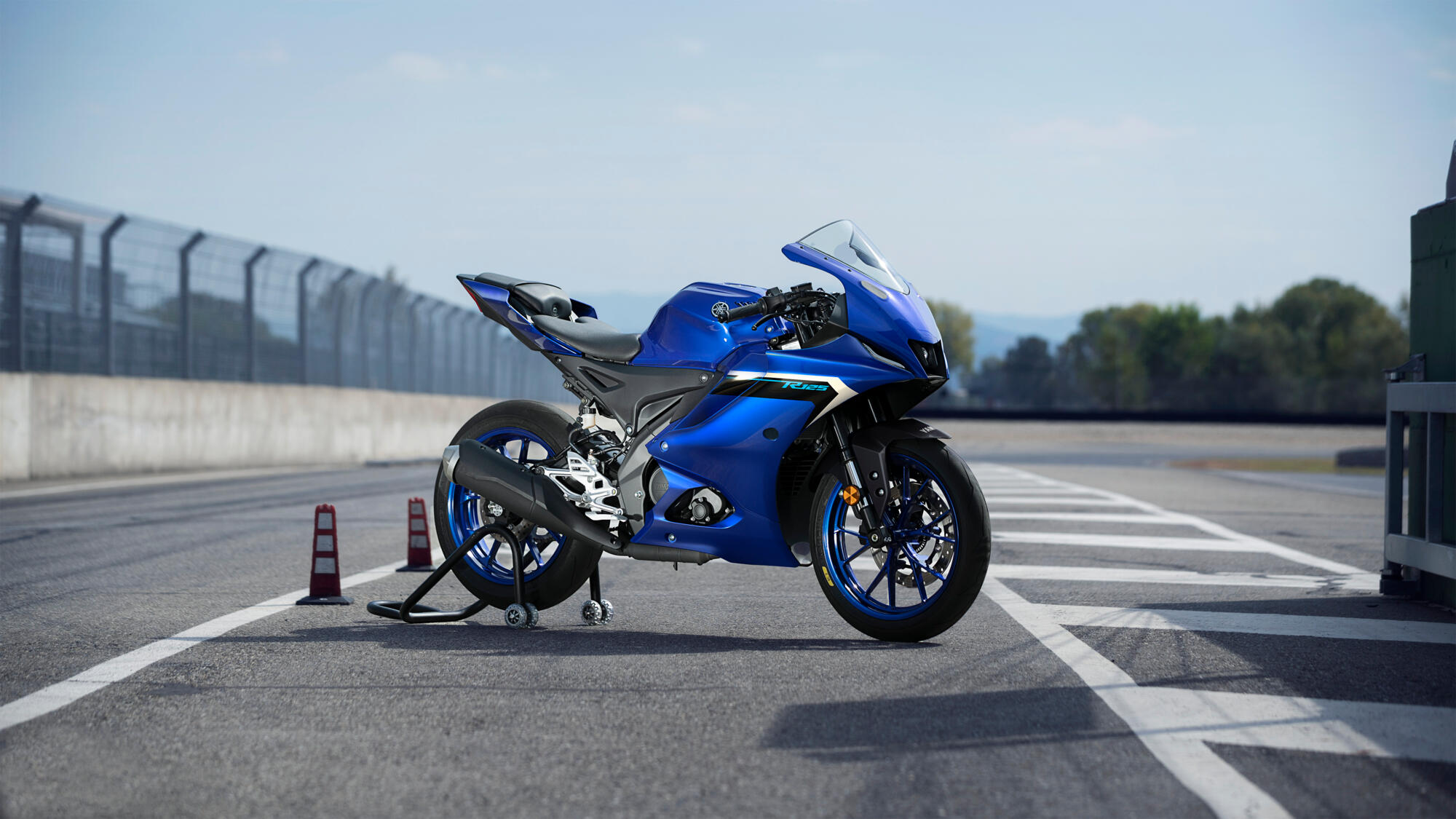
- Yamaha YZF-R125 – Looks fast, rides safe
For A2 (up to 35kW) riders:.
- Kawasaki Ninja 400 – Fun, light, forgiving
- Suzuki SV650 (restricted) – Reliable, smooth, affordable
For full A license:
- Kawasaki Z650 – Easy power, modern features
- Honda NC750X – Practical and efficient
Buying tips:
- Start smaller than you think you need
- Used bikes make sense for your first—you’ll probably drop it
- Japanese brands are bulletproof and cheap to maintain
- Get insurance quotes before you buy
- Test ride before committing
For your deep dive check out Top 10 Used Beginner Motorcycles for A1 & A2 Licence Holders in Ireland
Final Tips for New Riders
Gear up. Every. Single. Time. Even for short trips. Most accidents happen close to home.
Assume you’re invisible. Because to most drivers, you are. Ride like nobody sees you, and you’ll rarely be surprised.
Practice emergency stops. Find an empty car park and practice hard braking until it’s muscle memory. It will save you someday.
Maintain your bike. Check tires, brakes, chain, and lights weekly. A bike that fails you in traffic is no joke.
Join the community. Find experienced riders who remember being new. Learn from them. Irish riders are generally sound and happy to help.
Conclusion
This IBT training is your gateway to something incredible—the freedom, adventure, and pure joy of motorcycling in Ireland.
Those 16 hours aren’t just a box to tick. They’re the foundation of every ride you’ll ever take. The skills you learn, the awareness you develop, the respect you gain for the road—it all starts here.
Yes, it costs money. Yes, it takes time. But it’s worth every euro and every hour. Because the alternative—learning the hard way—is something you can never take back.
Once you’ve completed IBT, you’re not finished learning. You’re just getting started. Every ride teaches you something. Every mile makes you better. Stay humble, stay curious, and never stop improving.
Ireland’s roads are waiting for you—coastal routes that’ll take your breath away, mountain passes that’ll test your skills, and endless stretches of tarmac where you can find that perfect feeling of freedom.
Help fellow motorcyclists make the right choices. Share your opinions and experiences on various topics through our forum.
-
- Forum
- Topics
- Posts
- Last Post
-
- For Beginners
- 1
- 1
- No Topics
- General Discussions
- 0
- 0
-
No Topics
-

Increasing Motorcycle Accidents in Ireland: Reasons & Preventive Measures
The latest data from the Road Safety Authority (RSA) paints a sobering picture of motorcycle safety in Ireland. A total of 105 motorcyclists were killed on Irish roads in the last five years, with 884 serious injuries recorded over the same period from 2020-2024.
How to Be a Defensive Rider on Irish Roads – Complete Safety Guide 2025
assume the worst, prepare for anything, and always have an escape plan. This approach will keep you safe while still allowing you to enjoy some of the world’s most scenic riding routes.
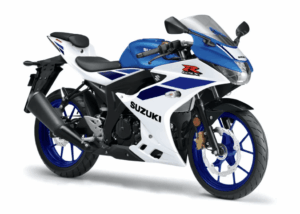
Suzuki GSX R125
The Suzuki GSX-R125 is a lightweight, fully-faired sportbike offering nimble handling, aerodynamic styling, and a high power-to-weight ratio.
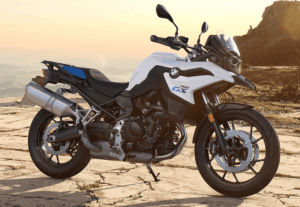
BMW F 800 GS – 2025
Powered by a parallel-twin engine producing 87 hp, it features modern electronics, TFT connectivity, and optional navigation prep—offering the perfect balance between performance and comfort.
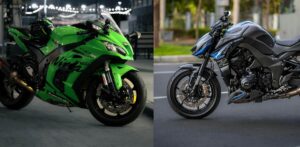
Naked or Full-Fairing Motorcycles? What to Pick for Ireland’s Roads
In this guide, we’ll dive deep into the naked versus full-fairing debate, specifically through the lens of Irish riding conditions. By the end, you’ll know exactly which style suits your riding ambitions on the Emerald Isle.
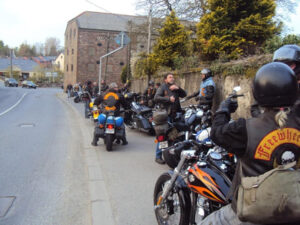
Outlaw Motorcycle Clubs in Ireland: Brotherhood, Bikes, and the 1% Life
When you think of outlaw motorcycle clubs, images of leather jackets, roaring V-twins, and a tight-knit brotherhood probably spring to mind. In Ireland, that world exists and it’s a mix of imported “1%” culture and home-grown biker tradition.