










Increasing Motorcycle Accidents in Ireland: Reasons & Preventive Measures

Increasing Motorcycle Accidents in Ireland: Reasons & Preventive Measures

motorcycle accident

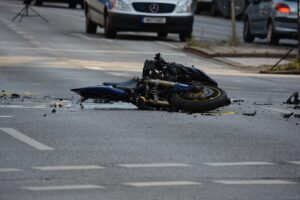
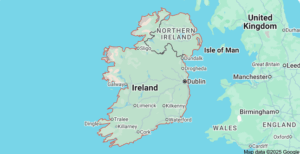
The latest data from the Road Safety Authority (RSA) paints a sobering picture of motorcycle safety in Ireland. A total of 105 motorcyclists were killed on Irish roads in the last five years, with 884 serious injuries recorded over the same period from 2020-2024.

The freedom of motorcycling comes with a devastating cost across Ireland. Behind every roar of an engine lies a harsh reality: our roads are claiming too many lives, turning journeys of joy into heartbreaking tragedies that shatter families and communities.

Every motorcyclist who lost their life on Irish roads was someone’s beloved son, brother, father, or friend. These aren’t just statistics. They’re real people whose stories ended too soon, leaving loved ones to pick up the pieces of lives forever changed.

Current Statistics: The Sobering Truth of Irish Roads

motorcycle accident

The numbers are impossible to ignore. Over five years, 105 motorcyclists lost their lives on Irish roads, with 884 others suffering life-changing injuries. That’s over 20 deaths annually, with hundreds more riders facing consequences that could have been prevented.

Hospital data reveals an even grimmer picture: 1,556 motorcyclists were hospitalized between 2019-2023. That’s roughly one rider in the emergency room every single day for five straight years. Not minor scrapes, but serious injuries requiring extensive medical care.

The most shocking truth? Every single motorcyclist who died was male. This stark reality points to dangerous patterns of risk-taking behavior that desperately need addressing.

Timing matters too. Sundays become deadly, especially during those peaceful afternoon hours from noon to 8 PM when families should be enjoying weekends together. Summer months – May through September – transform roads into danger zones, with June claiming the most lives.

Demographics and Patterns: The Vulnerability of Two wheeler

motorcycle accident ireland

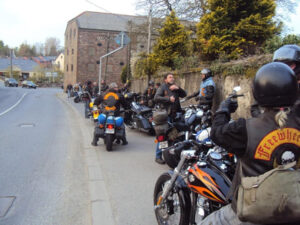
Walk into any motorcycle gathering, and you’ll see vulnerability: men aged 16-55, particularly those 25-34. These aren’t reckless teenagers, they’re professionals, fathers, sons in their prime who should have decades ahead of them.

What makes them so vulnerable? A toxic mix of overconfidence, peer pressure, and the dangerous myth that experience equals invincibility. Weekend warriors are especially at risk – office workers who transform into speed demons come Saturday, riding beyond their actual abilities while believing they’re invincible.

As temperatures rise, motorcycles emerge from winter hibernation. But muscles have weakened, reflexes dulled, and road awareness faded during cold months. Yet riders jump back into aggressive patterns without rebuilding essential skills.

Speeding and Loss of Control: When Physics Kills

motorcycle accident

Speed doesn’t just affect crash severity. It creates crashes. At 100 km/h, riders have milliseconds to react to hazards. The bike becomes unstable, physics takes over, and what started as freedom becomes a deadly projectile.

Higher speeds mean less time to perceive danger, reduced ability to dodge obstacles, and stopping distances that often exceed available road space. When riders push beyond these limits, accidents become inevitable.

Failure to Observe: The Invisible Motorcycle Ireland

motorbike accident

Picture this nightmare: a driver approaches a junction, looks carefully both ways, sees a clear road, and pulls out directly into an oncoming motorcycle’s path. They genuinely looked but completely failed to see the bike until impact.

This isn’t malice – it’s human perception. Drivers scan for car-sized objects. Motorcycles fall into psychological blind spots that kill.

The proof is chilling: almost one-third of fatal crashes occur at junctions, with 58% happening at T-junctions. These aren’t high-speed highway accidents. They’re everyday intersections where someone’s failure to see turns ordinary commutes into tragedies.

Inexperience and Training Gaps: The Deadly Learning Curve of Motorcycle Lessons

motorcycle training

Here’s an uncomfortable truth: someone can get licensed and hit public roads with shockingly little real experience. Unlike cars with instructor brakes and protective structures, motorcycle mistakes have immediate life-or-death consequences from day one.

Many riders think basic licensing means they’re ready for anything. They graduate believing they’ve mastered riding, only to discover real-world scenarios never covered in training. Emergency wet-weather braking, aggressive traffic navigation, handling crosswinds. 

These skills require experience that basic courses simply cannot provide.

Environmental Factors: When Ireland Weather Turns Deadly

Ireland weather

Ireland’s unpredictable weather creates perfect accident conditions. Rain transforms familiar roads into ice rinks, wind turns stable bikes into uncontrollable projectiles, and sudden changes catch riders completely off-guard.

Spring emergence after winter storage is particularly dangerous. Both human skills and mechanical systems need time to return to peak performance, but eager riders jump back in without proper preparation.

Irish Road Infrastructure: Built for Cars, Not Bikes Best driving

Irish weather

Many Irish roads weren’t designed with motorcycle safety in mind. Narrow country lanes with stone walls inches away, sudden elevation changes, and surfaces varying from smooth tarmac to moonscapes.

Potholes that merely jostle cars can launch motorcycles out of control. Metal drain covers become skating rinks when wet. Roadside barriers designed to redirect cars can decapitate riders.

Comprehensive Prevention: Building Real Road Safe

Professional Training: Beyond Bare Minimum

Road Safe

Real safety training must go far beyond current licensing requirements. Airlines don’t just teach takeoff and landing. They require extensive emergency training for scenarios pilots may never encounter but must handle.

Motorcycles deserve the same approach. Advanced courses should cover emergency techniques, defensive positioning, and split-second decision making. Training in adverse conditions – rain, wind, chaos. Not just perfect weather practice sessions.

Continuous education shouldn’t be optional. Annual refreshers, specialized workshops, and mentorship programs connecting experienced riders with newcomers could save countless lives.

Protective Equipment: Life Insurance You Wear
protection equipment

Walk through weekend emergency rooms and you’ll quickly spot which accidents involved properly protected riders versus those in t-shirts and jeans. The difference isn’t subtle, it’s the difference between healing in weeks versus permanent scars and skin grafts.

Modern gear is lightweight, comfortable, and enhances riding rather than hindering it. Yet too many still view safety equipment as optional rather than essential life-preservation tools.

Visibility matters enormously. High-visibility colors, reflective materials, and LED lights can prevent “never saw the bike” accidents that kill dozens annually.

Defensive Riding: Paranoia That Saves Lives
defensive riding

Assume every vehicle is trying to kill you – not from malice, but because the consequences of assuming otherwise are fatal. Position yourself where you can see hazards developing and have escape routes ready.

Successful defensive riders develop a supernatural ability to read traffic and predict danger. They notice distracted drivers, erratic behavior, and deteriorating conditions before they become critical.

Most importantly, defensive riders back down from confrontations. Being “right” isn’t worth being dead.

Speed Limit: Understanding Survival Physics
speed limit

Speed management means more than obeying limits. Stopping distance increases exponentially. A bike stopping 30 meters from 50 km/h needs 120 meters from 100 km/h. Four times the distance for double the speed.

Cornering is even more complex. The same turn comfortable at 80 km/h on dry roads might be lethal at 60 km/h when wet. Skilled riders develop automatic speed adjustment without conscious thought.

Check Weather Conditions: Information That Saves Lives
Ireland weather

Modern technology provides weather and road information that could prevent deaths, yet many riders venture out blind to deadly conditions. Wind speed, temperature drops, construction zones, traffic incidents, all affect safety in specific ways.

Develop discipline to use available information and wisdom to postpone dangerous rides. No destination is worth dying for.

Stay Within Limits: The Hardest Lesson
Irish road

The most difficult safety aspect is honest self-assessment and staying within personal limits. Recognize when fatigue, stress, or other factors compromise riding ability.

Physical and mental conditions dramatically impact safety. Dehydration, medication effects, personal stress, anything compromising the enormous concentration required for safe riding increases accident risk.

Mature riders expand limits safely through gradual skill building while maintaining realistic awareness of current capabilities.

The Path Forward: Change That Matters

Solving this crisis requires everyone: government agencies improving infrastructure and enforcement, industry promoting safety over performance, training organizations expanding beyond basic licensing, and riders embracing safety culture.

The riding community must mentor newcomers, promote safe practices, and reject risk-taking that kills. When experienced riders make safety look cool, culture changes.

Research must continue tracking trends and evaluating interventions. International best practices should be adapted to Irish conditions while emerging technologies are evaluated for safety potential.

Final Thoughts: Every Life Matters

Rising accident numbers represent personal tragedies rippling through families in ways statistics cannot capture. Behind every number is a human story of interrupted dreams and devastating loss.

Yet these tragedies are preventable. Improved training, better equipment, infrastructure upgrades, and safety culture could save dozens of lives annually. This isn’t wishful thinking – it’s proven reality where comprehensive programs exist.

Individual riders can make immediate differences through quality training, defensive techniques, and honest self-assessment. Every rider making it home safely contributes to positive change.

The cost of inaction is measured in lives lost and families destroyed. The time for half-measures has passed. Ireland’s motorcycling community has the opportunity to become a safety model others can follow.

The question isn’t whether change is possible, it’s whether everyone will commit before more precious lives are lost to preventable accidents. Every ride is a chance to practice safety, every conversation an opportunity to promote change.

The riders we save might be ourselves, our friends, or strangers – but they all matter, and they’re all worth the effort.

Share this with your fellow mate who needs to read it the most.

Help fellow motorcyclists make the right choices. Share your opinions and experiences on various topics through our forum.

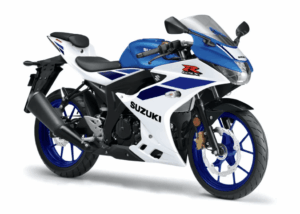
Suzuki GSX R125

Suzuki GSX R125

The Suzuki GSX-R125 is a lightweight, fully-faired sportbike offering nimble handling, aerodynamic styling, and a high power-to-weight ratio.
Read More »
BMW gs 800

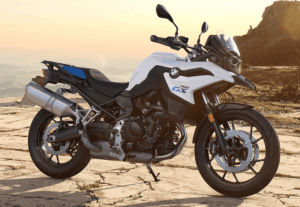
BMW F 800 GS – 2025

Powered by a parallel-twin engine producing 87 hp, it features modern electronics, TFT connectivity, and optional navigation prep—offering the perfect balance between performance and comfort.
Read More »

Some More Cool Projects

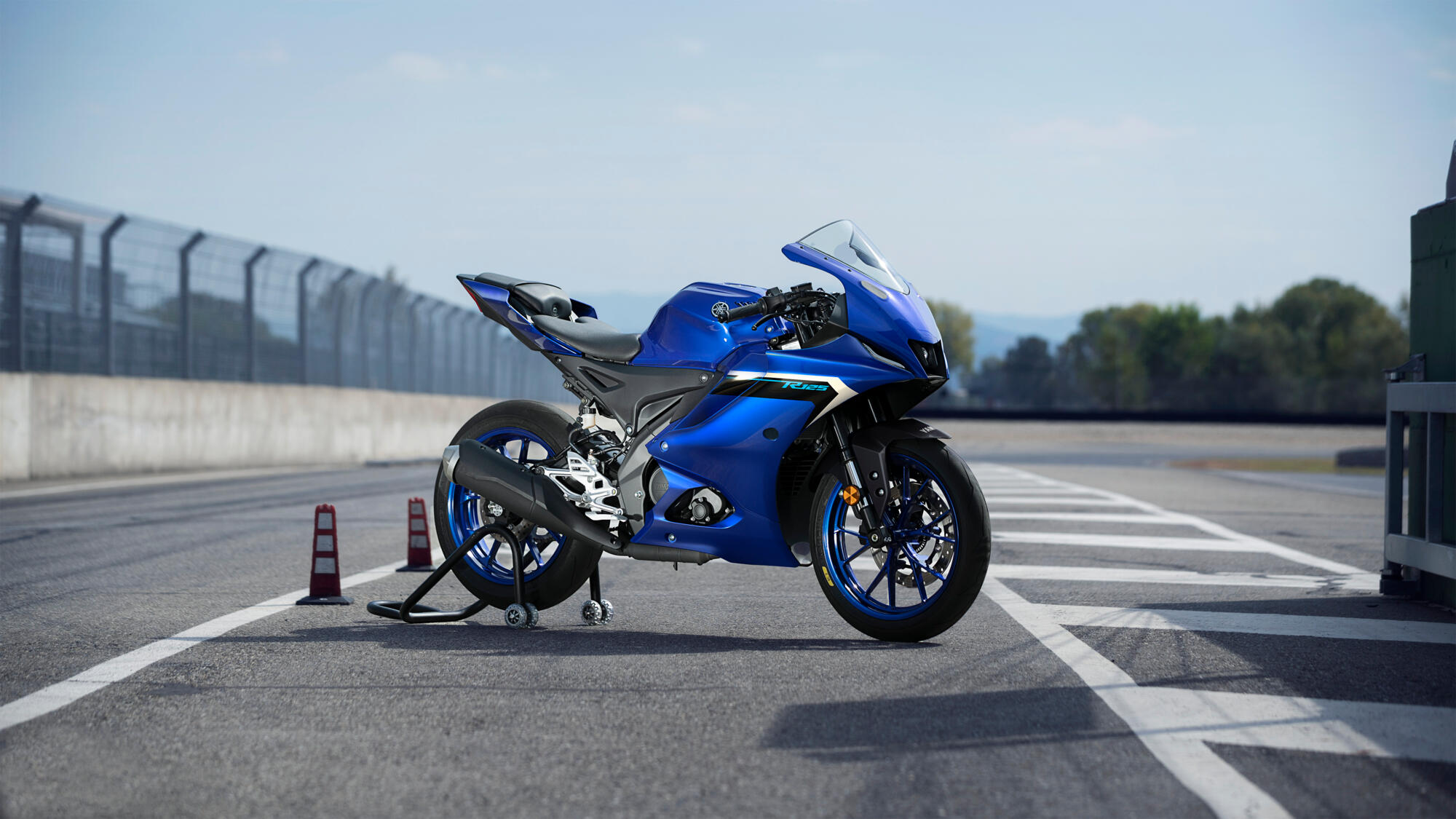
Yamaha YZF-R125

Yamaha YZF-R125 (2026)

The Yamaha YZF-R125 (2026) is Yamaha’s most advanced A1-licence supersport motorcycle, inspired directly by the R-series DNA of the R7 and R1.

Sign In

Register

Reset Password

Please enter your username or email address, you will receive a link to create a new password via email.

MeditateOn2Wheels
Privacy Overview

This website uses cookies so that we can provide you with the best user experience possible. Cookie information is stored in your browser and performs functions such as recognising you when you return to our website and helping our team to understand which sections of the website you find most interesting and useful.