Why Irish Country Roads Are More Dangerous in Winter

Why Irish Country Roads Are More Dangerous in Winter

Irish Country Roads

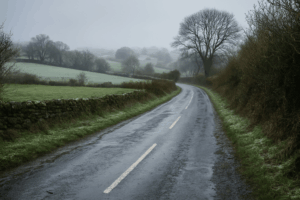
Ireland’s winding country roads are stunning – until winter hits. But beneath that beauty lies real danger. What makes for perfect riding in summer becomes a genuine hazard when temperatures drop and the rain sets in. 

For motorcyclists, these roads demand serious respect during the colder months.

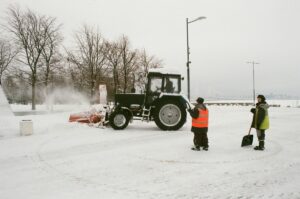
Nature of Irish Country Roads - Driving in Snow

Driving in Snow

Let’s be honest: Irish country roads are challenging even on a sunny day. Many were built centuries ago, featuring narrow lanes where two cars barely fit, blind corners that appear out of nowhere, and sudden gradient changes that catch you off guard.

The numbers tell the story. 74% of motorcyclist deaths happen on rural roads, and even in perfect conditions, those posted 80kmph speed limits are optimistic. Most riders average closer to 40kmph because these roads simply don’t allow for much more.

Winter vs Summer: A World of Difference

Winter vs Summer

Half of all motorcycle fatalities occur between May and September – when roads are dry, visibility is good, and temperatures are rideable. That’s the safe window.

Winter flips everything. January 2025 saw temperatures plunge to minus 7.6°C, with heavy snow blanketing parts of the country. Storm Éowyn brought hurricane-force winds hitting 184 km/h. This isn’t just “a bit cold” – it’s genuinely dangerous riding weather.

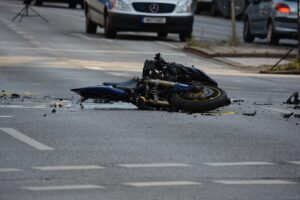
Between 2020 and 2024, 107 motorcyclists were killed on Irish roads, with another 620 seriously injured. Winter conditions make these statistics even grimmer.

Main Dangers of Irish Country Roads in Winter

The Perfect Storm: Rain, Mud, and Ice

Main Dangers of Irish Country Roads

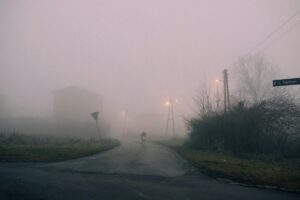
Irish winter means constant rain. Not the occasional shower-persistent, relentless rainfall that never quite lets roads dry out

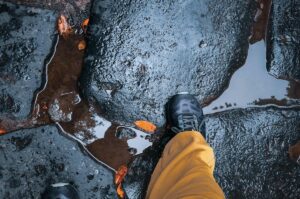
Farm traffic drags mud and manure across lanes, rain spreads it, and overnight frost hardens it into a slick, icy layer. Then there’s agricultural mud-tractors tracking soil and muck onto lanes creating slippery patches that might as well be ice.

Even experienced riders get caught out by what looks like a harmless patch of dirt – until the front tyre slides out mid-corner.

Potholes Multiply Like Mushrooms

Potholes

Water seeps into road cracks, freezes, expands, and boom – potholes everywhere. Northern Ireland recorded over 106,000 potholes between April 2023 and March 2024, with 85% of drivers saying it’s getting worse.

For motorcyclists, hitting a pothole at speed isn’t just annoying – it can throw you off the bike or cause immediate loss of control. And good luck getting compensation; Irish law traditionally protects local authorities from liability for roads they fail to repair.

Low Grip, Constant Rain, and Slippery Surfaces

low grip

Two contact patches. That’s all connecting your bike to the road-two palm-sized areas of rubber. When those patches hit standing water, wet leaves, or any contamination, grip disappears fast.

In icy conditions, it can take ten times longer to stop. ABS and traction control help, but they can’t defy physics. When the road is genuinely slippery, these systems just delay the inevitable slide rather than prevent it.

Agricultural Hazards

Agricultural Hazards

Milk tankers appear suddenly around blind corners. Tractors spread mud that turns roads into skating rinks. Livestock move between fields unpredictably. These hazards multiply in winter when farming activities increase.

The real danger? You can’t see them coming. A clean road one moment becomes coated in slippery residue around the next bend.

Visibility Takes a Hit

winter season

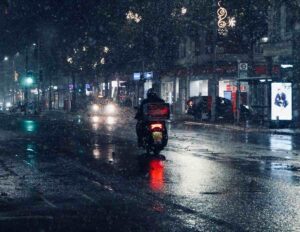
December daylight lasts only a few hours. By 4 PM, darkness has fallen, but most rural roads have zero street lighting. Factor in fog, mist, rain-soaked visors, and helmet condensation – visibility becomes seriously compromised.

Motorcycles are already harder to see than cars. Add winter conditions with spray and dirty windscreens, and drivers simply don’t spot bikes until it’s too late.

Road Maintenance Is Minimal in the Countryside

Road Maintenance

Main roads get gritted and maintained. Country roads? They’re forgotten until spring. Potholes that form in November won’t be filled until March. Drainage systems fail, leaving water pooling on surfaces all winter. Road markings fade to nothing.

80% of roads aren’t routinely salted, and conditions vary wildly across the network. Even if your destination is on a treated main road, getting there means navigating untreated, hazardous lanes.

Tips to Stay Safe
Avoid Night and Early Morning

Temperatures plummet after sunset, creating ice on roads that were fine hours earlier. Morning frost lingers in shaded areas well into the afternoon.

If you must ride during these times:

  • Cut your speed by at least half
  • Watch for ice warning signs: shade, bridges, dips, tree cover
  • Assume any wet-looking surface could be ice
  • Give yourself several seconds of following distance
  • Be extra cautious on bends where banking makes ice more treacherous
Stick to Main Roads
main roads

Main roads get priority treatment – regular gritting, faster repairs, better lighting, clearer markings. You’ll miss some scenic routes, but you’ll significantly reduce your risk.

National primary and secondary routes are your safest bet. If you must use rural roads, check Met Éireann weather warnings first, minimize time on untreated lanes, and avoid exposed coastal and mountain routes.

Remember: 34.6% of motorcycle fatalities involved exceeding a safe speed. In winter, “safe speed” is dramatically lower than posted limits. Those 80kmph signs? They’re for ideal conditions, not winter hazards.

Conclusion
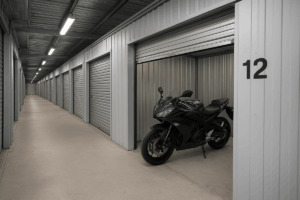
motorcycle storage units

Irish country roads in winter aren’t just challenging – they’re genuinely dangerous. The combination of unpredictable ice, persistent rain, minimal maintenance, and limited daylight creates conditions where even experienced riders face serious risks.

Already in 2025, 10 motorcyclists have died on Irish roads (through April), up from 7 in 2024 and 4 in 2023. The trend is going the wrong direction.

The scenic routes will still be there in spring. The Irish riding season runs March to October, with April through September being the sweet spot. Sometimes the smartest decision is recognizing when conditions exceed acceptable risk and parking the bike until better weather arrives.

No ride is worth your life, no matter how beautiful the destination.

Help fellow motorcyclists make the right choices. Share your opinions and experiences on various topics through our forum.

Suzuki GSX R125

Suzuki GSX R125

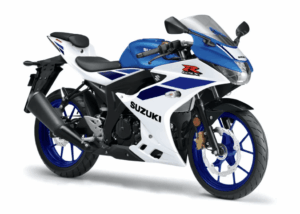
The Suzuki GSX-R125 is a lightweight, fully-faired sportbike offering nimble handling, aerodynamic styling, and a high power-to-weight ratio.
Read More »
BMW gs 800

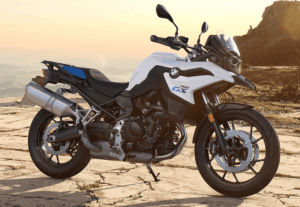
BMW F 800 GS – 2025

Powered by a parallel-twin engine producing 87 hp, it features modern electronics, TFT connectivity, and optional navigation prep—offering the perfect balance between performance and comfort.

Read More »

Some More Cool Projects

Yamaha YZF-R125

Yamaha YZF-R125 (2026)

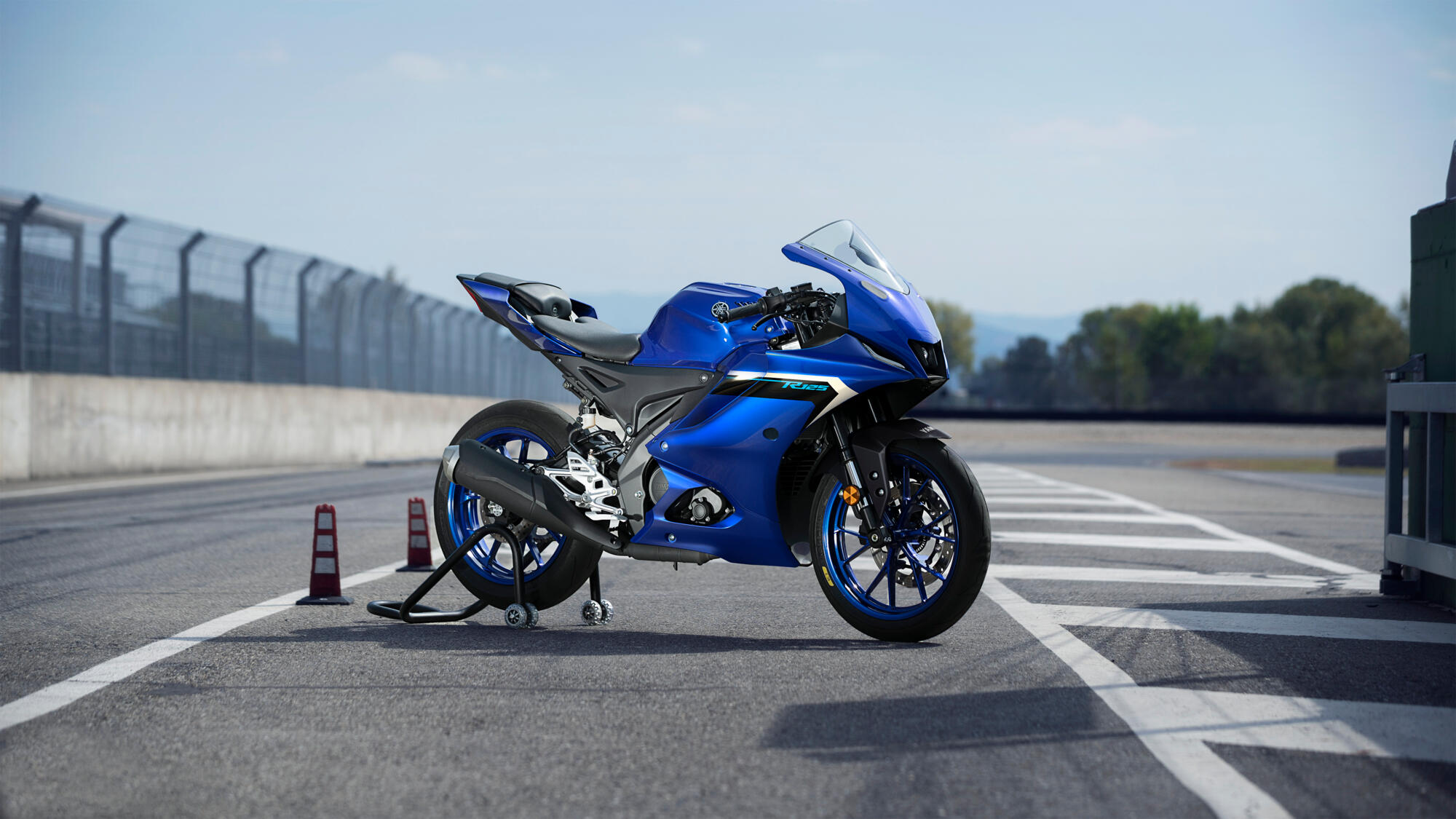
The Yamaha YZF-R125 (2026) is Yamaha’s most advanced A1-licence supersport motorcycle, inspired directly by the R-series DNA of the R7 and R1.

Sign In

Register

Reset Password

Please enter your username or email address, you will receive a link to create a new password via email.

MeditateOn2Wheels
Privacy Overview

This website uses cookies so that we can provide you with the best user experience possible. Cookie information is stored in your browser and performs functions such as recognising you when you return to our website and helping our team to understand which sections of the website you find most interesting and useful.